
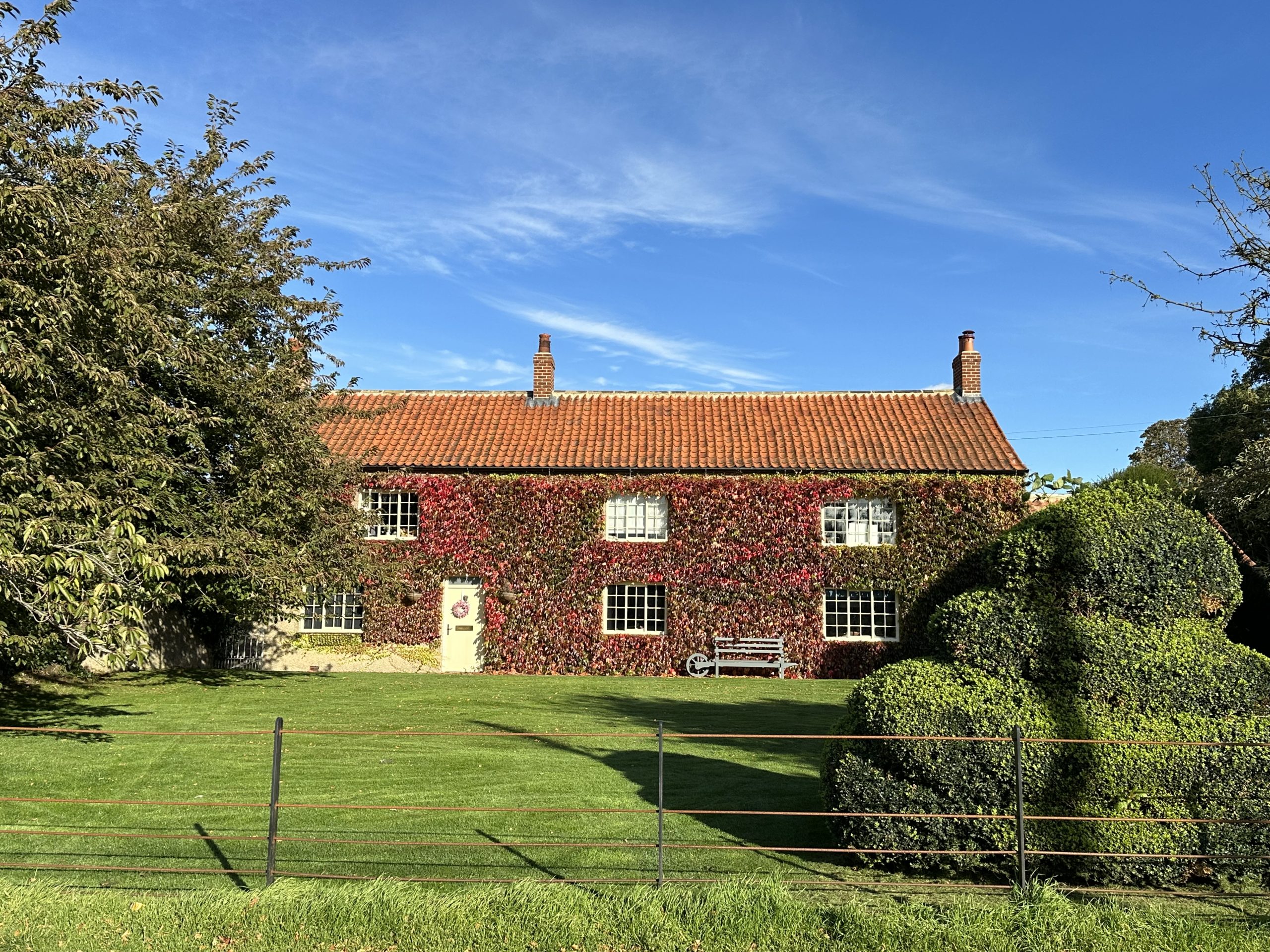
Sir Richard Etherington
Most people would not expect to find a knight living in Rillington.
Yet during the seventeenth century, Rectory Farm was home to the Etherington family, one of the most influential families in the region. Their story came to light through an unexpected clue: a coat of arms found on twentieth-century building plans for the farmhouse.
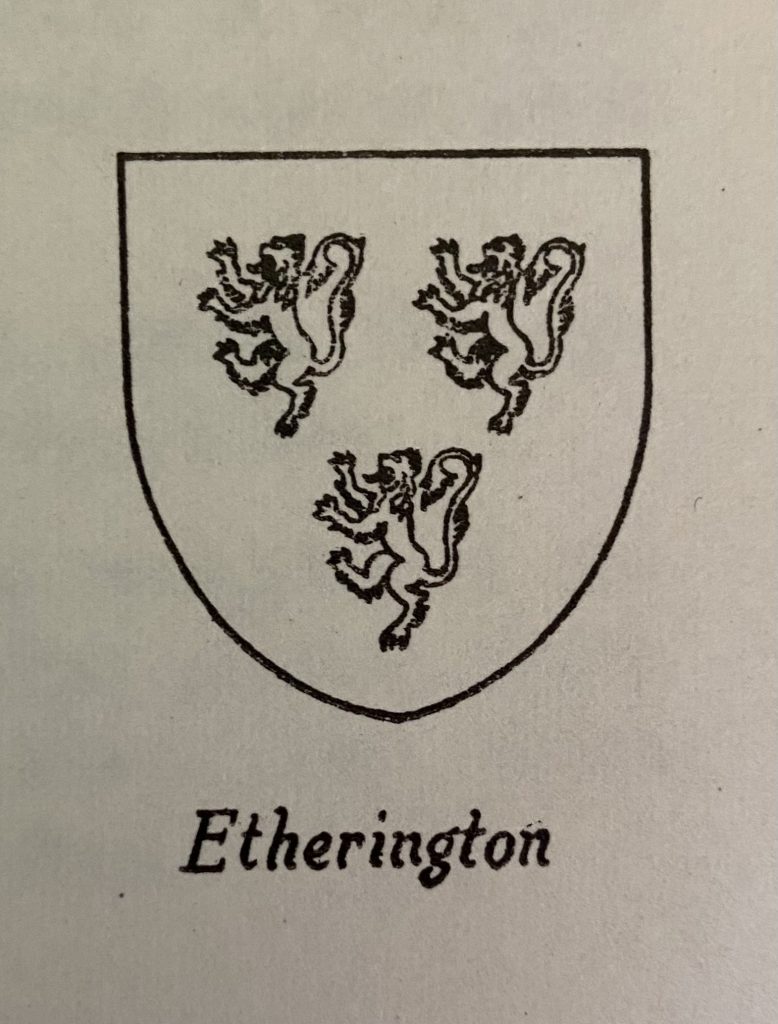
The shield displayed three lions and prompted a simple question. Who were the Etheringtons?
Research revealed a family whose roots stretched back centuries. Their ancestors can be traced to the early Tudor period and held land across the East Riding of Yorkshire. By the late sixteenth century the family had acquired the manor of Ebberston and had become connected to several prominent Yorkshire families, including the St. Quintins of nearby Scampston Hall.
The most remarkable member of the family was Sir Richard Etherington.
Knighted in 1603 at the coronation of King James I, Sir Richard was far more than a local landowner. He was a lawyer, a royal official and an important figure within the Forest of Pickering. Contemporary records show that he held major offices within the liberty of Pickering and served as Forester of the East Ward. His influence extended across Levisham, Lockton, Ebberston, Scampston and Rillington.
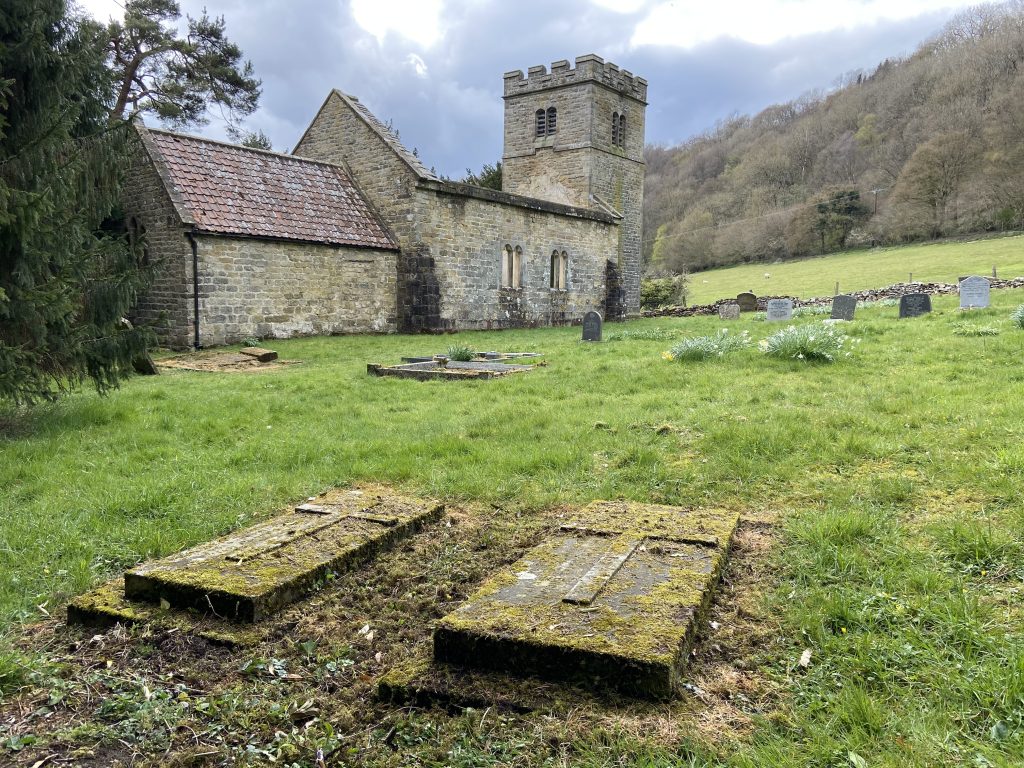
Figure 2. St. Mary’s Church, Levisham. Photograph by the author, 2021.
Sir Richard’s career brought him into contact with the legal and political world of early Stuart England. He spent much of his life travelling between Yorkshire and London, where he worked within the legal profession. At one stage he even became involved in a dispute over the revenues of the Honour of Pickering, a disagreement which may help explain later stories that he fell into financial difficulty.
The family were certainly wealthy. Sir Richard’s will shows that his wife Dorothy was left extensive property, including the manors of Levisham, Lockton and Scampston, together with the rectory and tithes of Rillington. His children inherited lands and substantial financial provision. These were not the possessions of an ordinary village family.
Yet there are hints of personal concerns behind the legal language of the documents. One son, Thomas, was left a carefully controlled allowance for food, clothing and maintenance, but was specifically prevented from wasting his inheritance. More than three hundred years later, the wording still feels strikingly human.
The Etherington connection with Rillington did not end with Sir Richard. Parish registers show family members living in the village for generations afterwards. His son Lewis Etherington was buried in Rillington in 1688, and property in the village remained within the family.
Today there is little to remind visitors that a knight once lived at Rectory Farm. The coat of arms on a set of building plans was only a small clue, but it opened a window onto a forgotten chapter of local history. Behind the ordinary appearance of a village farmhouse lay a story that stretched from Tudor Yorkshire to the court of King James I.
Sometimes the most remarkable discoveries begin with the smallest detail.
We will remember him.