
The Day Rillington Turned Red
Today, the ponds at Low Moor seem a natural part of the landscape. Surrounded by fields and hedgerows, they sit quietly on the edge of the village, giving little hint of their origins. Yet these pools of water are the last visible traces of an industry that once helped shape nineteenth-century Rillington.
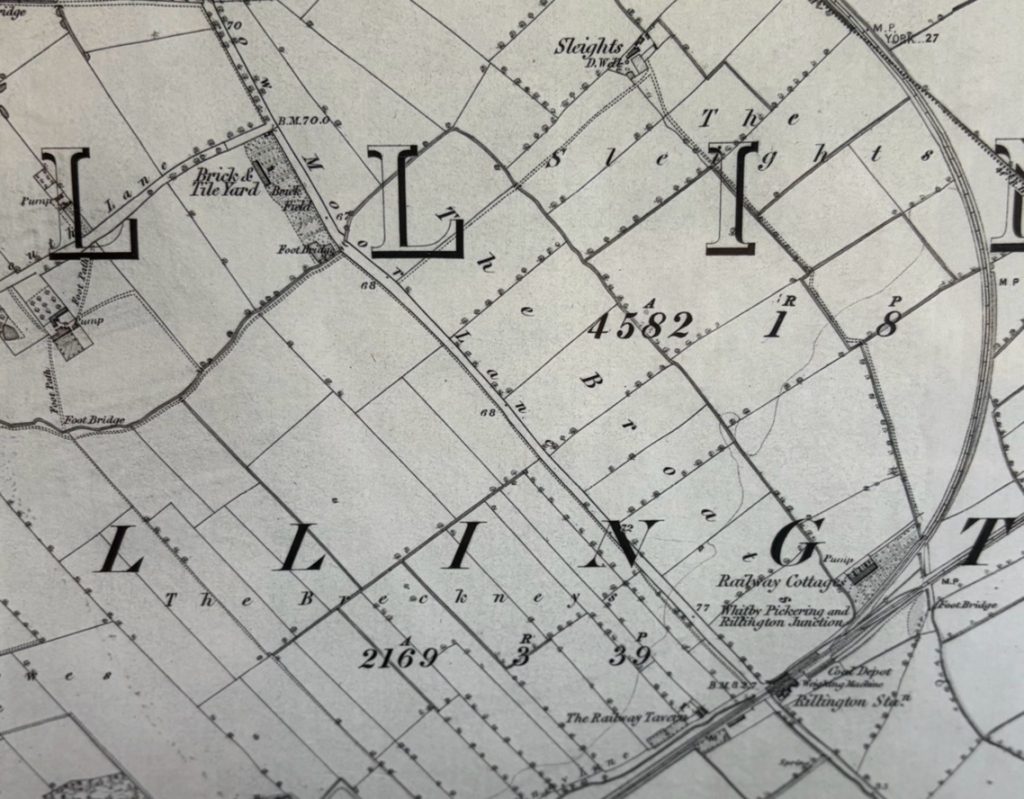
Figure 1. Brick and Tile Yard and railway infrastructure at Low Moor, Rillington, shown on the first edition Ordnance Survey map, surveyed 1850 and published 1854. Reproduced with the permission of the National Library of Scotland.
At first glance, an old map of the area appears unremarkable. But look more closely and a different landscape emerges. Beside Rillington Station stands a coal depot, railway cottages and, just beyond them, a Brick and Tile Yard and Brick Field. Together they formed part of the industrial landscape that reshaped nineteenth-century Rillington.
Brickmaking was not new to Rillington. Parish registers record brickmakers and tilemakers in the village as early as 1730. Long before the arrival of the railway, local men were digging clay, moulding bricks and firing kilns. Surnames such as Johnson, Wheatley, Loft, Fleming and Mooring appear in the records, evidence of a trade that had become part of village life.
The arrival of the railway in 1845 did not create the industry, but it transformed its scale and significance. Demand for bricks increased. Clay pits multiplied along Low Moor South Lane. Brickmakers’ cottages housed the families who worked there. Clay was dug from the ground, shaped by hand and fired in kilns whose glow could be seen across the surrounding countryside. Among those who lived and worked here were members of the Pudsey family, successive generations of brickmakers whose homes stood close to the pits and kilns where they earned their living.
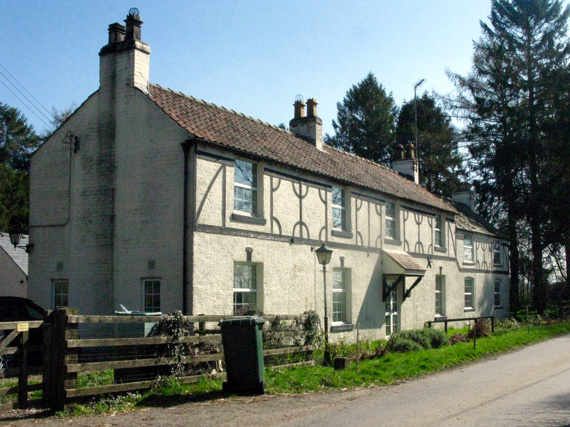
Figure 2. Brickmakers Cottages, Low Moor. Author’s photograph c. 2019
Brickmaking was hard, labour-intensive work. Clay was dug from the pits, mixed with water, pressed into wooden moulds and left to dry before being stacked in kilns. Entire families often worked together. Skills were passed from father to son, and in Rillington the trade appears to have relied more upon family knowledge than formal apprenticeship.
The results of their labour can still be seen today.
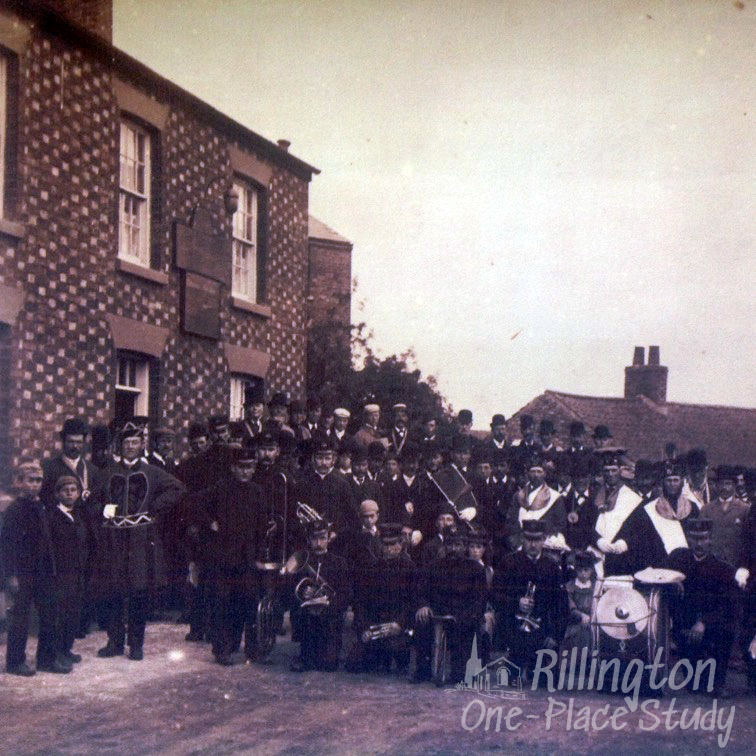
Figure 3. Example of two-tone Flemish bond brickwork at the former Royal Oak Inn, Low Moorgate.
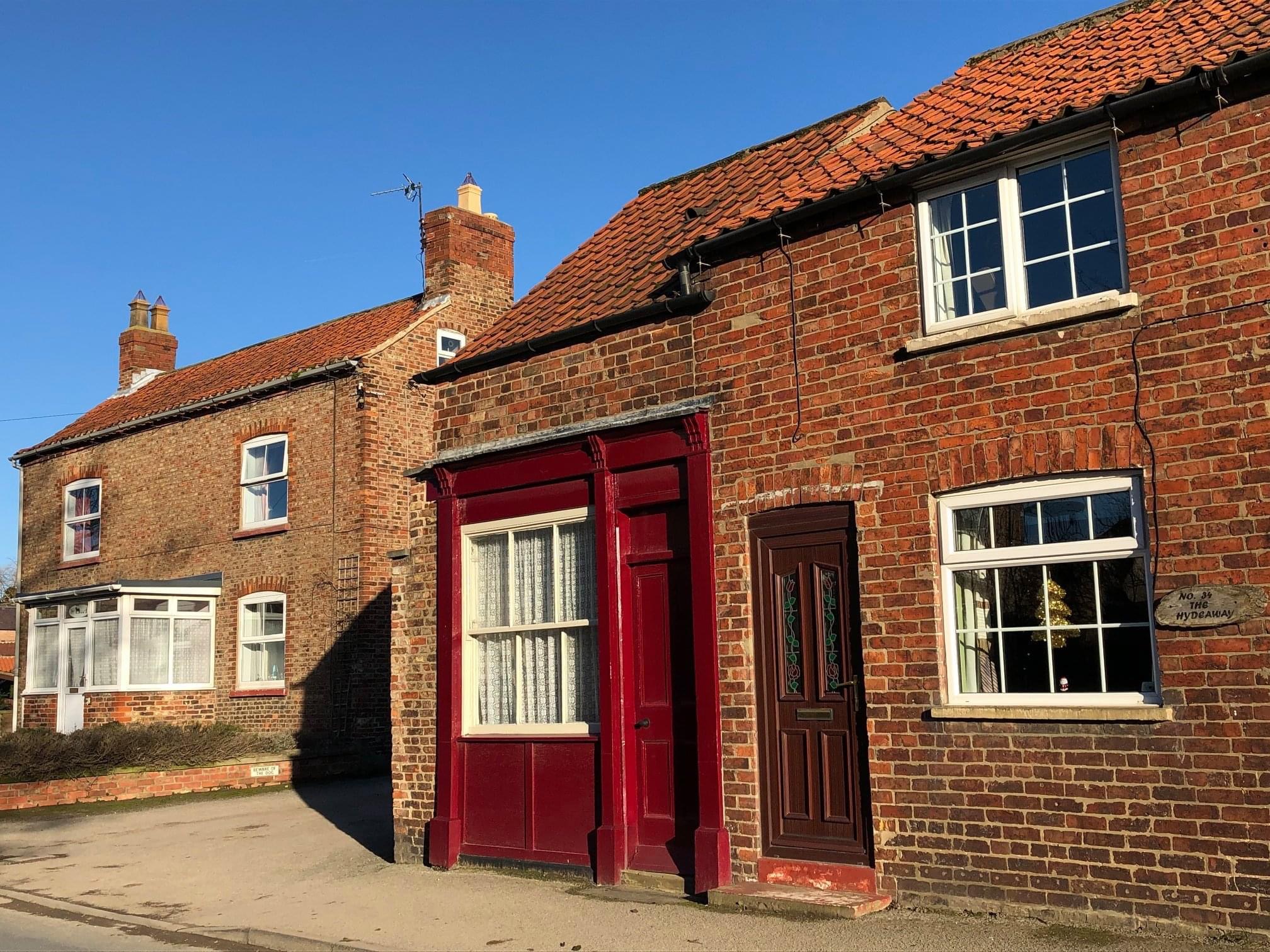
Many of Rillington’s older buildings were constructed from local brick. Their distinctive two-tone Flemish bond brickwork reflects the iron-rich clay from which they were made. Dark headers and red stretchers create patterns across walls that are now so familiar they are often overlooked. Yet these buildings remain the legacy of the men who worked the brickfields of Low Moor.
One local resident, John Heseltine, later recalled seeing the glow from the brick kilns as a boy. It is an evocative image. For a time, the landscape around Low Moor was not the quiet agricultural setting we know today, but a place of pits, smoke, labour and industry. The village had literally turned red.
The industry eventually declined. Some workings failed and disappeared, while others flooded. In one case, a spring flooded the diggings and created a small lake. The clay pits filled with water and vegetation gradually reclaimed the disturbed ground.
Today, few visitors would guess that the ponds at Low Moor were once part of a thriving brickmaking industry. Yet the evidence survives in old maps, parish records, surviving cottages and the distinctive red brick buildings that continue to characterise the village. The kilns have long since gone silent, but the clay beneath the fields helped build the Rillington we know today.