
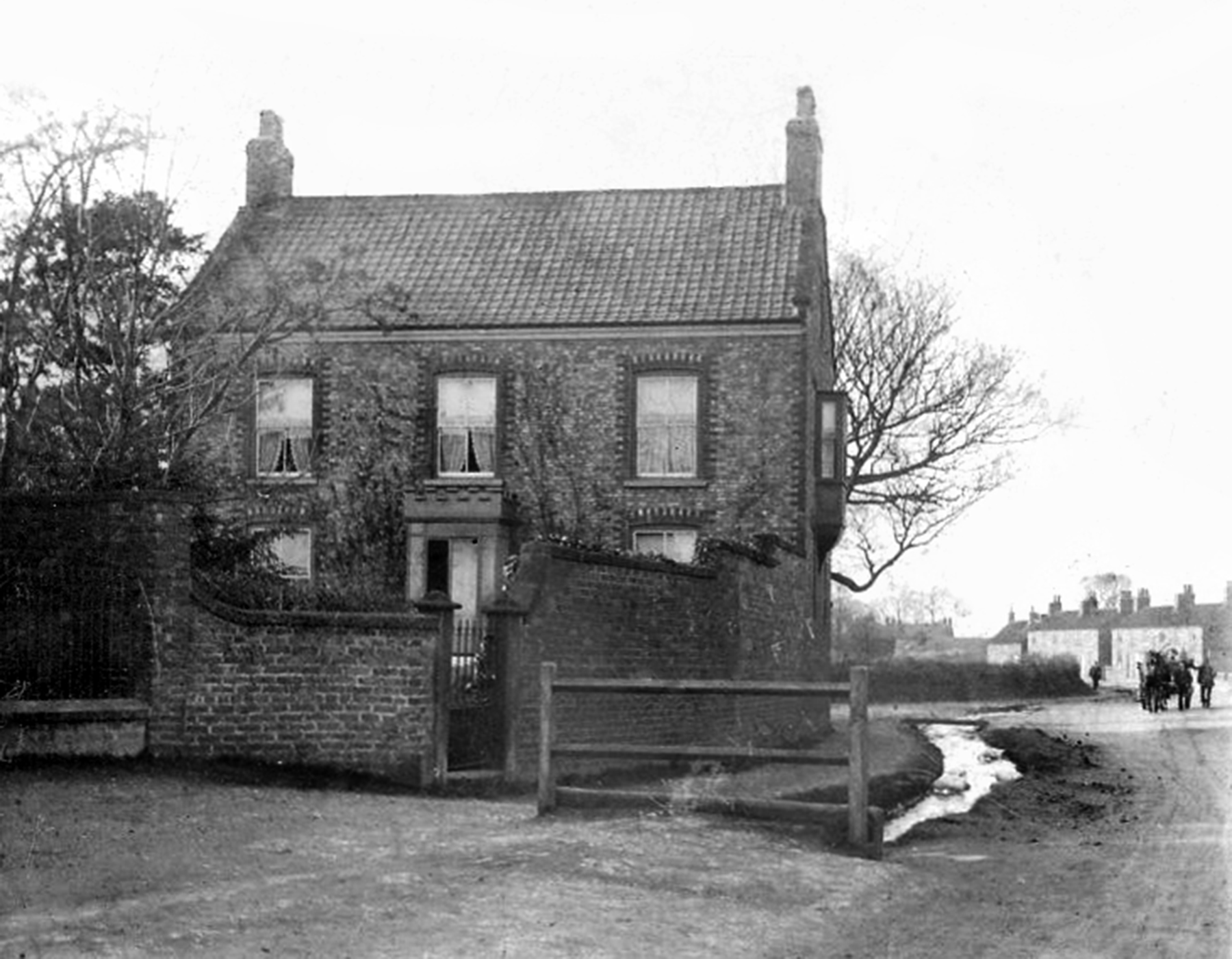
Dr. Thomas Allanson
Some people appear only briefly in the records of a village. Others seem to be everywhere.
For more than fifty years, Dr Thomas Allanson was one of the best-known figures in Rillington. He was the village surgeon, parish medical officer and public vaccinator. He cared for the sick, supported local families and witnessed the village through one of the most significant periods of change in its history. Yet medicine was only part of his story.
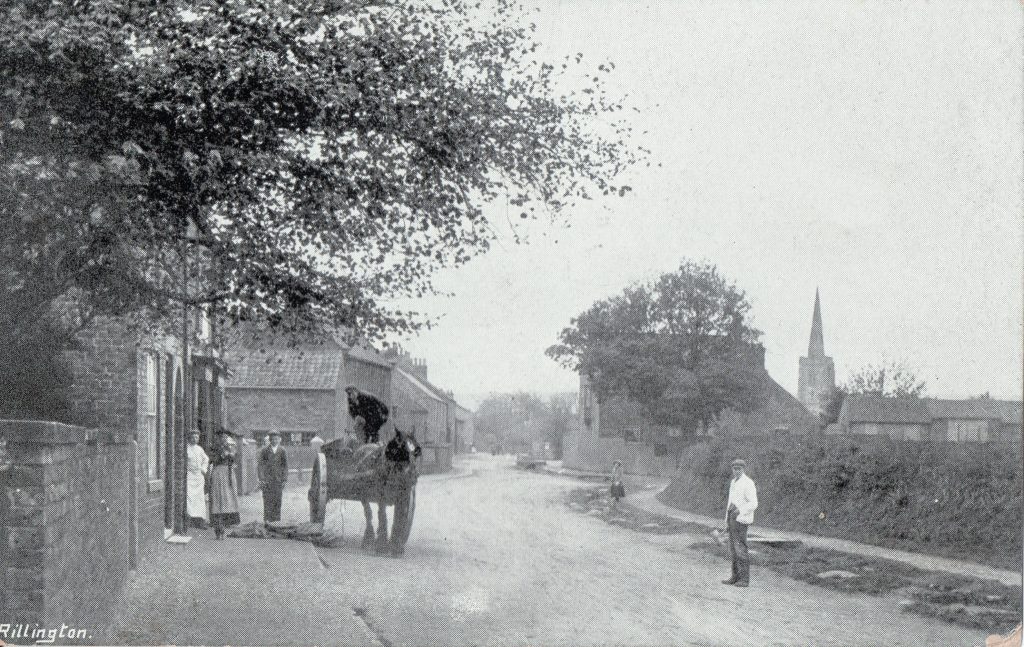
Dr Allanson began practising in Rillington in 1817, at a time when the village was still a quiet agricultural community. Long before the arrival of the railway, he had become a familiar face, visiting homes, treating illness and carrying out the everyday duties expected of a country doctor. As parish medical officer he received an annual salary of £28, while his own practice provided his principal source of income.
Contemporary accounts describe him as popular throughout the neighbourhood. He was also known for his interest in botany and local antiquities, suggesting a naturally curious man whose interests extended well beyond medicine.
One remarkable incident illustrates that curiosity. In 1830, labourers uncovered a human skeleton less than a foot beneath the soil in a field between Rillington and Thorpe Bassett. Dr Allanson was asked to examine the remains. After careful inspection, he concluded they belonged to a woman between forty and fifty years of age. Observing that her jaw had been broken and her chin pierced by what he believed to be a pitchfork, he formed the opinion that she had been murdered. Whether his conclusion was correct can never be known, but it reminds us that the village doctor was often called upon to investigate unusual discoveries as well as treat the living.
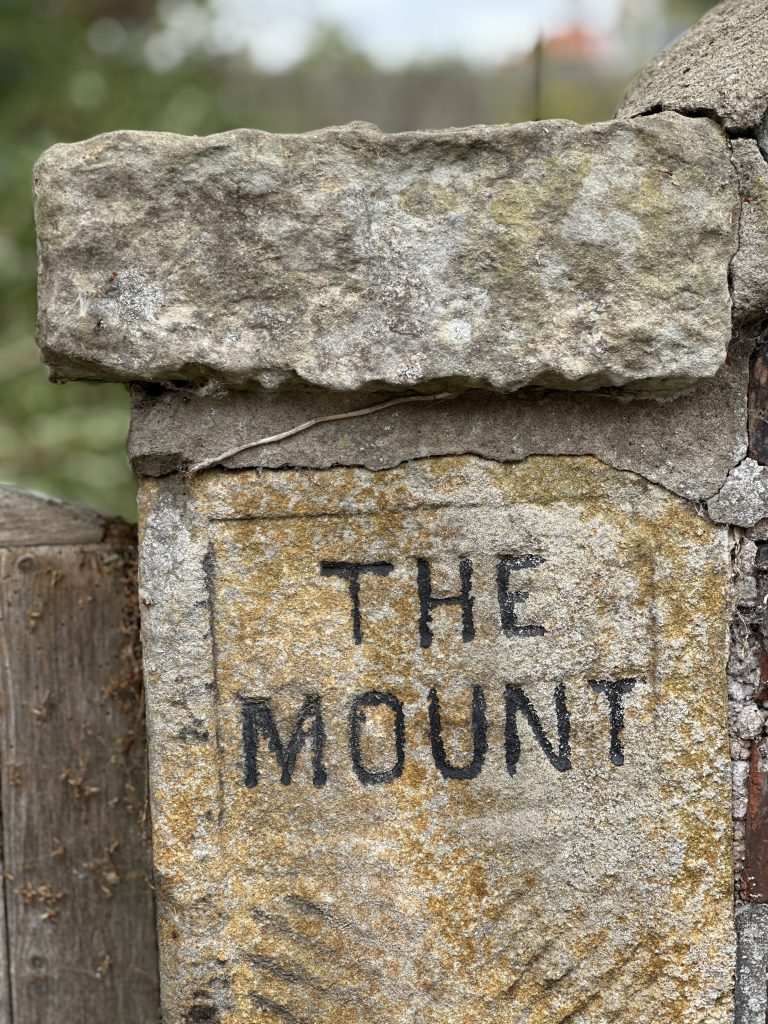
Perhaps the least-known aspect of Dr Allanson’s career was his care of people with mental illness. From 1837 he was licensed to care for up to two private patients at his home on Low Moorgate, known as The Retreat and The Mount today the word “asylum” often brings to mind large Victorian institutions, but The Retreat was nothing of the sort. It remained a family home throughout its existence.
The census returns of 1841, 1851 and 1861 show a remarkably consistent household. Dr Allanson and his wife Margaret lived there with their daughters, a small number of servants and two female patients. The establishment never expanded beyond this intimate scale.
Inspection reports provide a fascinating glimpse of daily life. The house was described as comfortable and clean, with a large garden where the women spent much of their time. One enjoyed tending the plants, reading her Bible and occasionally attending church. Another, whose illness was more severe, sometimes required restraint to prevent her harming herself, a reminder of the limited treatments available at the time. Even so, the emphasis was on fresh air, exercise and personal care within a domestic setting rather than confinement in a large institution.
Because The Retreat was licensed, it was visited regularly by magistrates and medical inspectors. Dr Allanson occasionally received criticism for failing to keep his record books in proper order, something that seems to have frustrated the Commissioners in Lunacy more than it troubled him. Yet their reports raised no concerns about the general welfare of his patients. If anything, they suggest a doctor more interested in caring for people than satisfying bureaucratic requirements.
When the railway reached Rillington in 1845, Dr Allanson witnessed the transformation of village life at first hand. He saw new opportunities, new people and new dangers.
The 1851 Ecclesiastical Census records a Thomas Allanson as deacon of the Bethesda Chapel however it is unclear whether or not this is Dr Thomas Allanson.
In 1867 he wrote A Few Facts Respecting Rillington for one of the village Penny Readings. The poem looks back affectionately over the changes he had seen during his lifetime. Dr Allanson was an observant man with a dry wit. His poem is full of affectionate humour. He chuckled at changing fashions, teased the village drinkers, sympathised with overworked wives and marvelled at the railway, describing the locomotive as a “fiery dragon” that travelled on “sleepers” which “never wake up.”
In a single sentence, Dr Allanson captured both the promise and the cost of progress. As the village doctor, he would have understood better than most that every great change affected individual lives.
When Dr Thomas Allanson died on 18 January 1871, aged seventy-four, his funeral was said to be the largest the district had witnessed for many years. Members of the Order of Druids, of which he had long been a member, acted as bearers. He was laid to rest beneath a table tomb in St Andrew’s Churchyard, where his grave can still be seen today.
Looking back through the records, it is easy to understand why he was held in such high regard. He was more than a doctor. He was a trusted member of the community whose work touched almost every aspect of village life.
Through his patients, his public service, his observations and even his poetry, Dr Thomas Allanson left us something far more valuable than a list of medical appointments. He left us a glimpse of nineteenth-century Rillington through the eyes of someone who knew it better than almost anyone else.