St Andrew’s Church
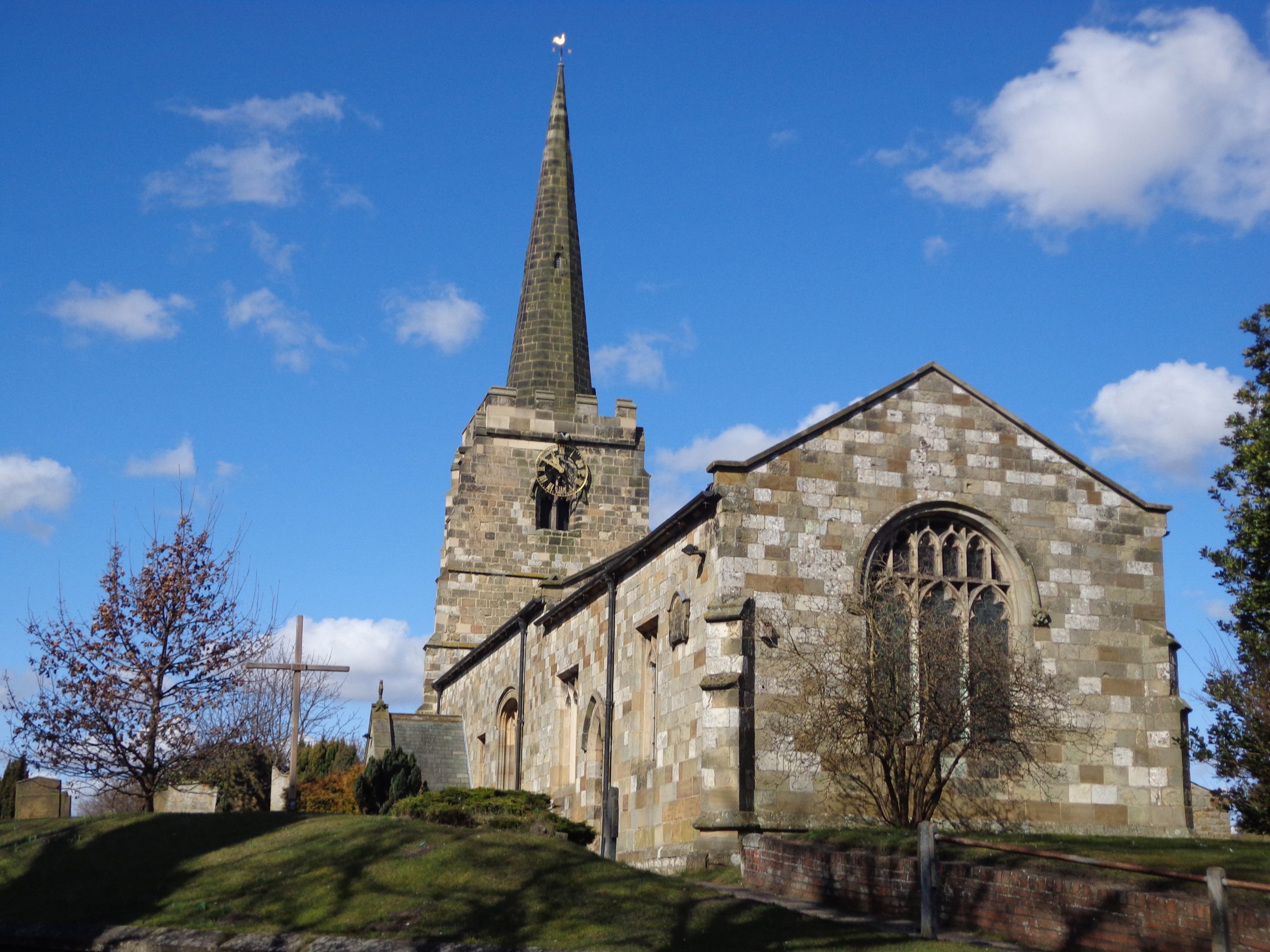
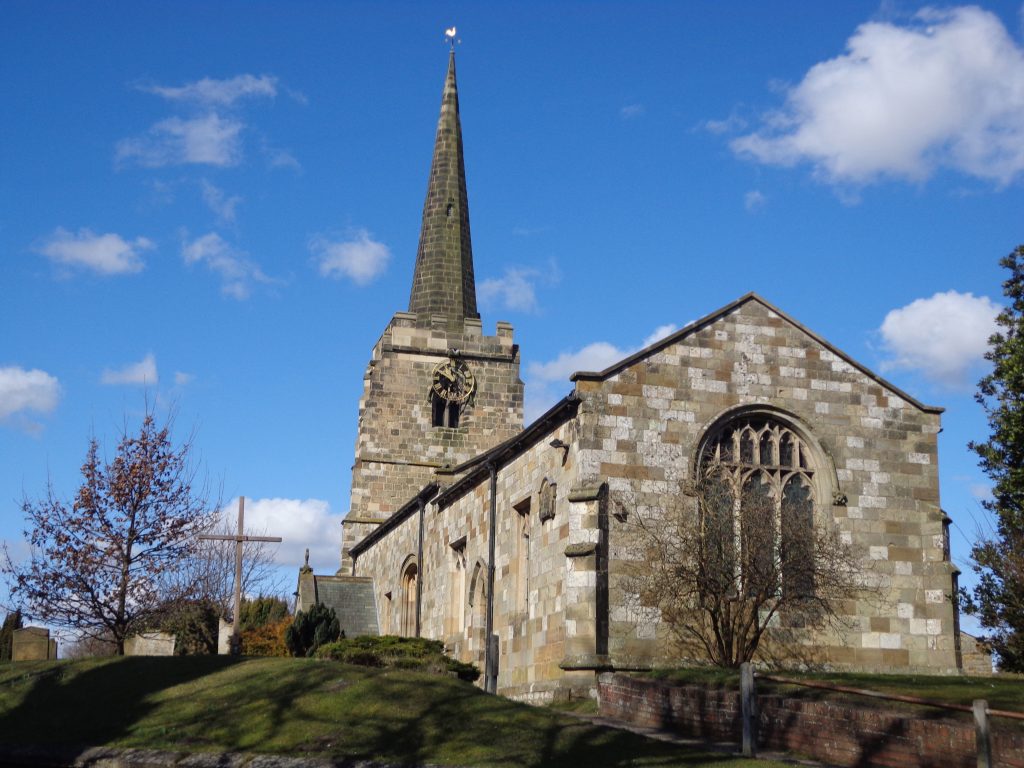
Standing at the crossroads on Westgate and Low Moorgate, St Andrew’s Church has occupied the heart of Rillington for centuries. Long before road signs or house numbers, this was the place around which village life revolved. Here, generations of villagers were baptised, married and mourned. For many, it was also the destination of their final journey.
Today, the church still occupies both the physical and historic centre of the village.
Visitors often notice one striking feature. The church stands noticeably higher than the surrounding roads, its tower and slender spire dominating the village skyline. At first glance, the elevation appears natural. In reality, it has been created gradually over many centuries as generations of parishioners were buried within the churchyard.
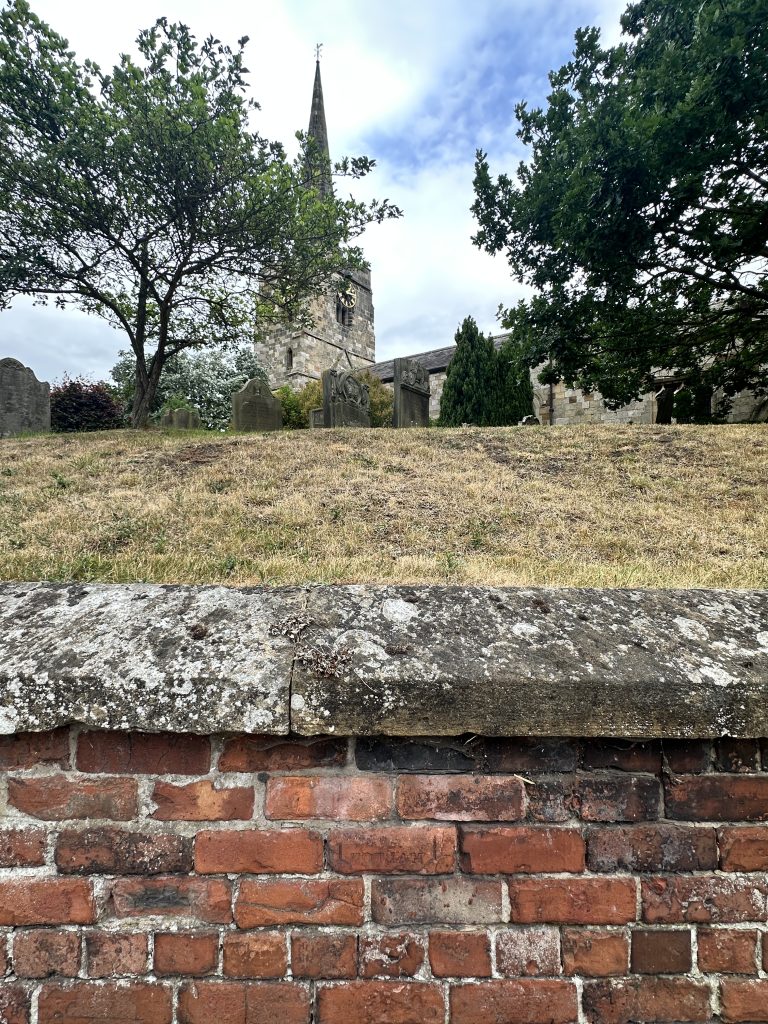
Archaeologists have suggested that this may have been an earlier Saxon burial ground before the Norman church was established here. If so, this hill has been regarded as a place of burial and worship for perhaps a thousand years. While this remains an archaeological interpretation rather than an established fact, it reminds us that the significance of this site long predates the building we see today.
The present church dates principally from the Norman period, although successive generations have altered, repaired and extended it. Recognising its exceptional architectural and historic importance, St Andrew’s is now designated a Grade I listed building. Yet its greatest significance lies not only in its medieval fabric but in the lives of the people who worshipped here.
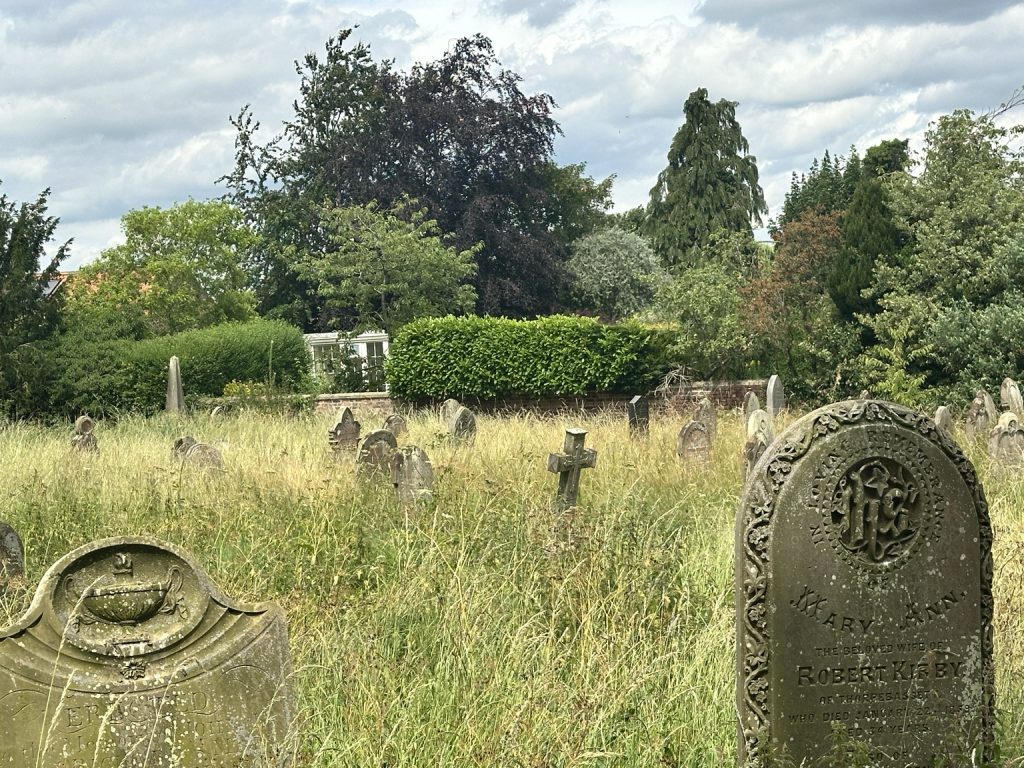
For centuries, almost every family in Rillington had some connection with St Andrew’s. The parish registers record baptisms, marriages and burials, but the churchyard itself preserves another record, carved in stone.
Walking among the memorials is to walk through the history of the village.
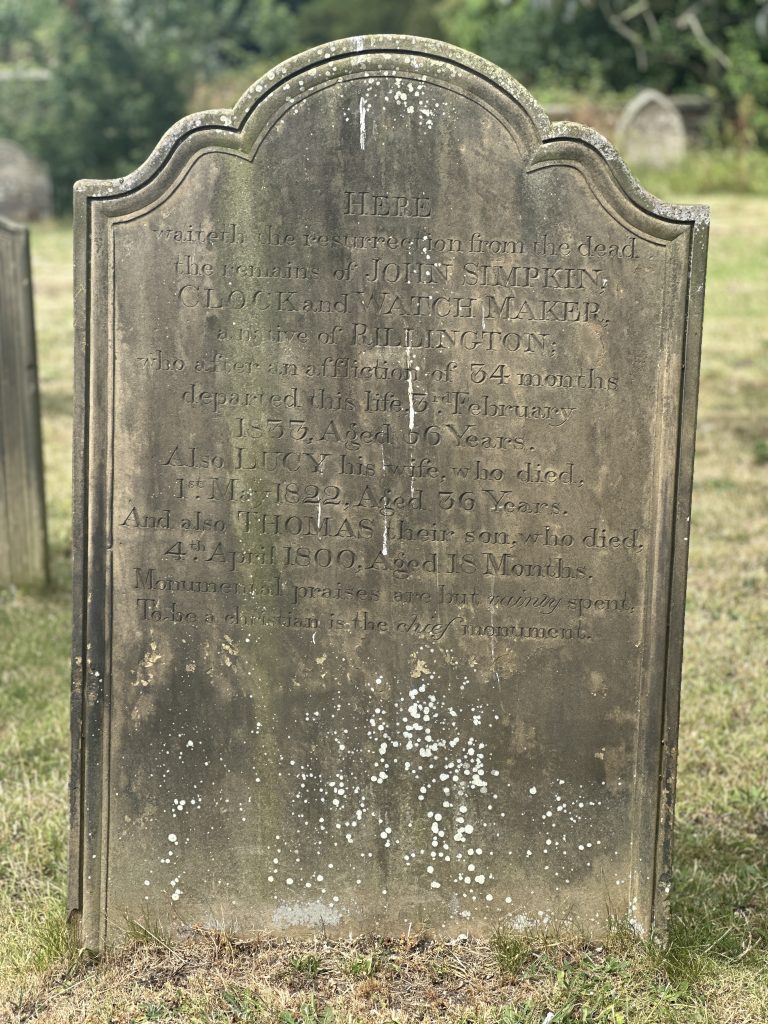
Here lie agricultural labourers, farmers, craftsmen, tradesmen and their families. Some names appear repeatedly in parish registers, census returns and manorial records. Others recall occupations that once formed part of everyday village life, such as John Simpkin, the village clock and watch maker, or Jonathan Dale, the fellmonger. Together, their memorials form a remarkable archive of the community.
The church has not remained unchanged. During the nineteenth century it underwent significant restoration and repair, events vividly recalled by Dr Thomas Allanson in his humorous verse, A Few Facts Respecting Rillington, written for a Penny Reading in 1867. Looking back to the rebuilding of 1820, he mischievously observed that although the old lead roof was sold, “a great deal was melted, and ran down their gullets,” suggesting that not all the proceeds were devoted to the work itself. He also remembered the great hurricane of 1839, which tore down the weather vane and sent masonry crashing through the roof, leaving the steeple badly damaged before repairs were eventually completed.
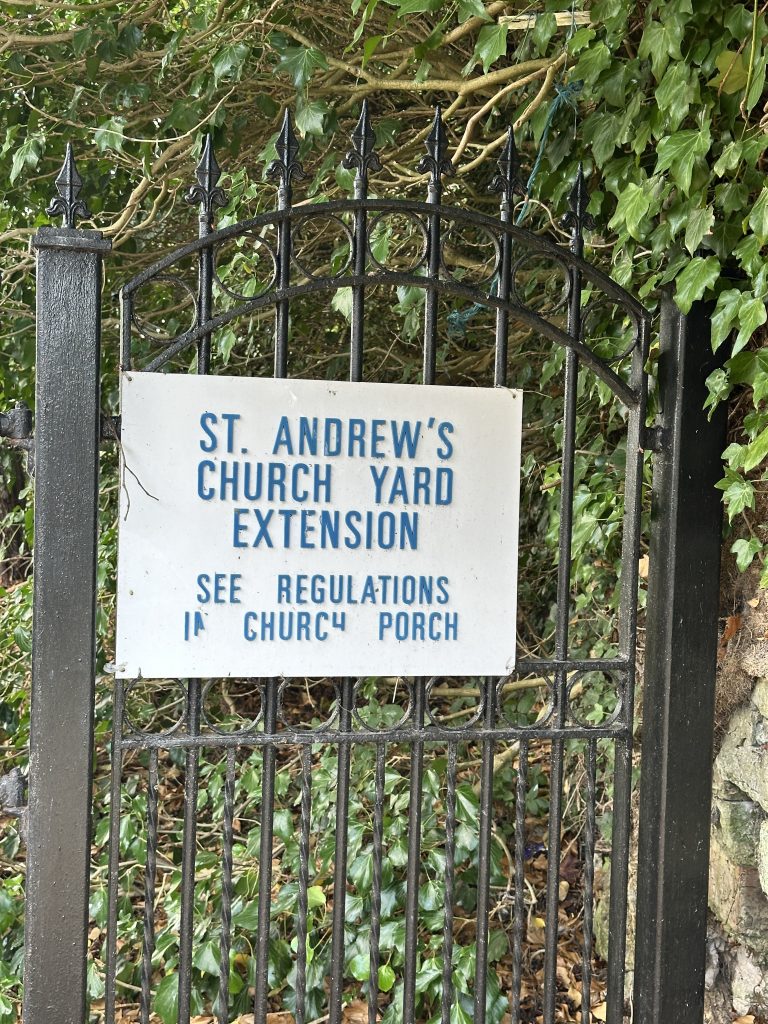
One of the changes of which Allanson was clearly most proud was the extension of the churchyard in 1860. He was not merely an observer but served on the committee overseeing the project, describing himself as the “chief engineer”, clerk of the works and even a mock auctioneer helping to raise funds. When the Archbishop came to consecrate the newly extended ground, Allanson regarded it as a shared achievement for the whole village.
The extension remains in use today, quietly continuing a story that began many centuries earlier. While the older churchyard preserves the memory of countless generations, newer memorials remind us that St Andrew’s has never become simply an historic monument. It remains the parish church of a living community.
For anyone undertaking a One-Place Study, places such as St Andrew’s are invaluable. Here, landscape, architecture and documentary evidence come together in one place. More importantly, they remind us that local history is not only about buildings, but about the people whose lives gave those buildings meaning.
The church still stands at the heart of Rillington and around it rest generations of villagers whose lives shaped the parish we know today.